
Eala-Mania: The Filipina Flipping the Tennis World
Alex Eala, the Philippines' first top-20 tennis player, is sparking a global frenzy. From selling out Nike gear to packing stadiums, her rise proves one star can ignite a national sporting craze: if the country builds the courts to catch them.
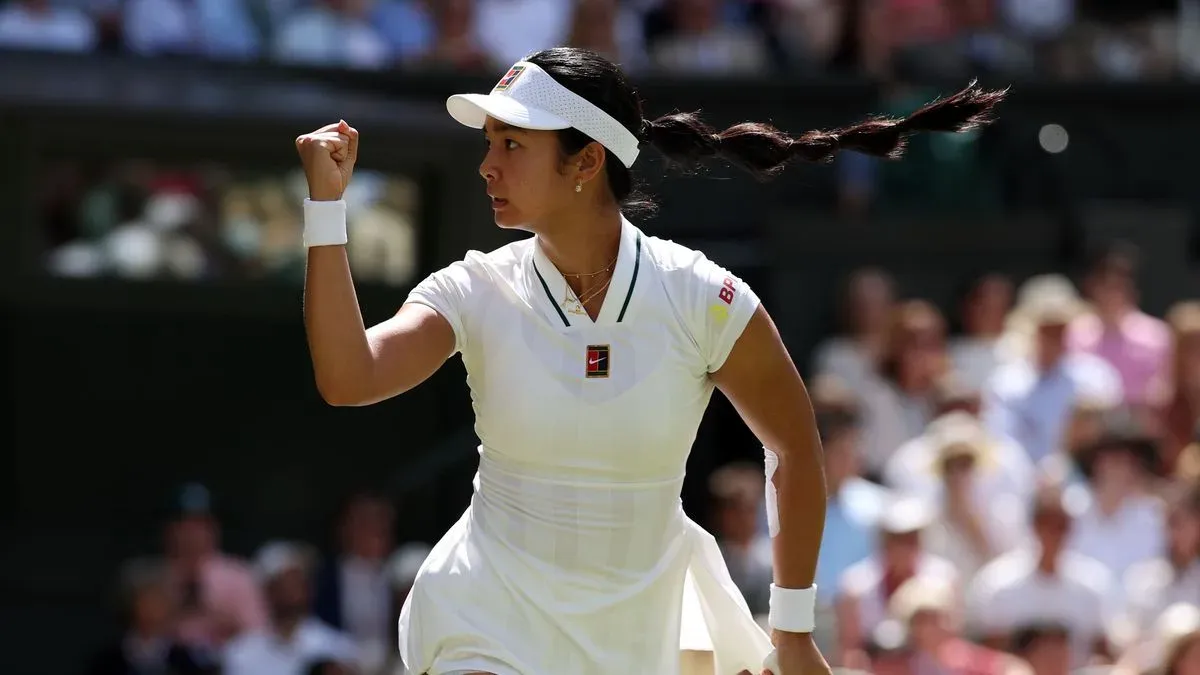
Alex Eala only has a 5% chance of winning the US Open this August, but you wouldn't know it looking at the merchandise stands. Before anyone even swung a racket in New York, Nike released a batch of player shirts. Eala's sold out in hours, leaving the gear of top-ranked players like Aryna Sabalenka and Jannik Sinner sitting on the shelves.
It helps that the left-hander is an absolute menace on the court. She brings agility and awkward, cunning angles that leave right-handed opponents scrambling. Just ask Iga Swiaterk, the defending Wimbledon champion whom Eala knocked out in the third round, before going on to win her first major tournament in Washington shortly after.
But the real secret behind the hype? She is the Philippines' first bona fide tennis superstar.
Can one player trigger a national obsession?
The Philippines has long lacked world-class sporting talent (bar a few like Manny Pacquiao or Efren "Bata" Reyes), so Eala breaking into the world's top 20 last month has turned her into a national icon. Fans are showing up in droves. At the Canadian Open, organisers had to move her early-round match from a modest 2,800-seat outside courts to the massive 12,500-seat marquee arena just to fit the local Filipino diaspora. In Washington, more than 80% of all ticket enquiries were just people trying to watch Eala play.
Traditional tennis fans might turn their noses up at the boisterous, flag-waving crowds, but tournament directors are thrilled.
Back home, the grassroots game is exploding. Tennis clubs are fully booked, and coaches simply cannot keep up with the flood of kids wanting to play. Even President Ferdinand Marcos took notice, publicly praising her and seemingly riding the wave of "Eala-mania" by tripling the national sports budget.
Will the hype last?
This kind of breakthrough is a massive win for the sport. Roughly 100 million people play tennis worldwide, and a third of them live in Asia. Yet the top professional ranks remain stubbornly western. In 2025, 88% of the women's top 50 still came from Europe and North America: the exact same share as in 1990.
And remember during the 2010s when Phil Younghusband and Azkals made us hope that the country can become a football nation? Despite the fact that that didn't happen, history shows that a single trailblazer actually can tilt the global map. Look at Bjorn Borg sparking a tennis craze in Sweden in the 1970s, or Martina Navratilova laying the groundwork for the Czech Republic's modern tennis machine.
The numbers back up these anecdotes. When looking at the 32 countries that produced their first top-20 female player between 1983 and 2020, 28 of them suddenly started producing more top-50 players shortly after. On average, the number of elite female players from those countries tripled. The trend exists for men, too, though it's slightly less dramatic. Teenage girls, in particular, say they're 60% more likely to stick with a sport when they have female role models to look up to.
Still, inspiration has a hard ceiling without infrastructure. Growing up, Eala had to practise on local courts that doubled as basketball courts, eventually leaving home at 13 to train on a scholarship in Spain. She has successfully lit the spark, inspiring thousands of Filipino children to grab a racket. But keeping that fire burning will require something much less glamorous: building enough real tennis courts for them to actually play on.;



Comments ()